
Getting braces is an exciting step toward your new smile, but that first week can feel like a lot to figure out. From soreness to new eating habits, your mouth is adjusting to something totally new. This guide to your first week in braces walks you through what to expect each day, how to stay comfortable, and what to keep on hand so you feel prepared from day one.
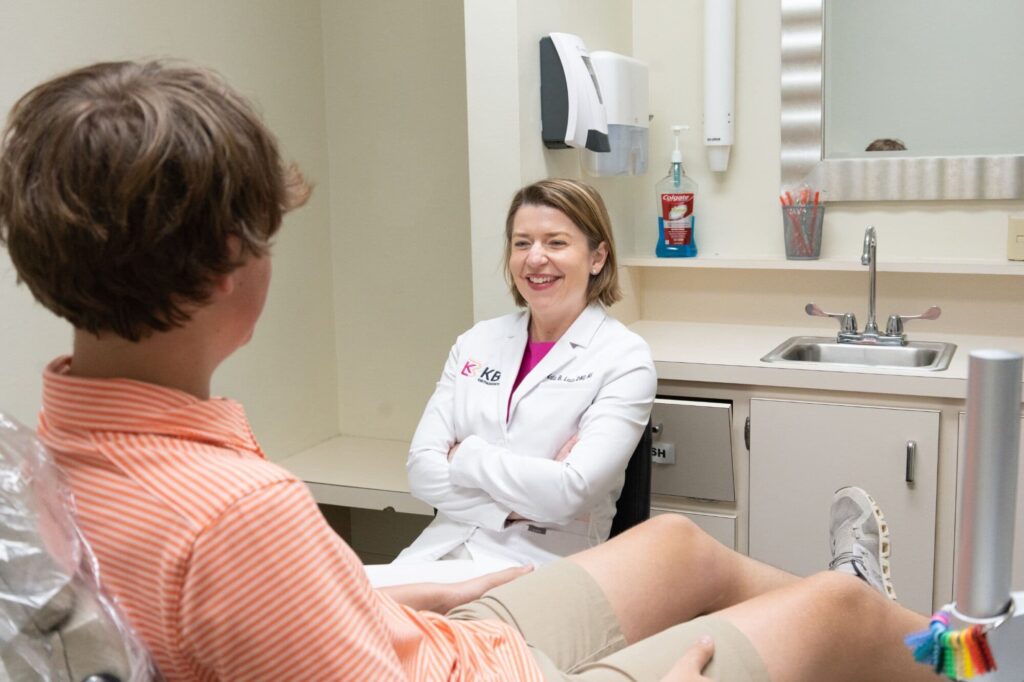
What to Expect During Your First Week in Braces
Most of you and your family members feel mild to moderate soreness for the first 3 to 5 days after getting braces, with full comfort returning by day 7. You’ll notice gentle pressure as your teeth begin to shift, some cheek and lip irritation as your mouth gets used to the brackets, and small changes in how you talk or how much saliva you produce. All of this is normal and temporary.
Here’s what you can expect that first week:
- Pressure sensation as teeth start their gradual shift
- Tenderness when biting that peaks around day 2 or 3
- Cheek and lip irritation where brackets touch soft tissue
- Slight lisp or extra saliva for a few days
- Significant relief by the end of week one
At KBL Orthodontics, we prepare you and your family for this adjustment period so there are no surprises. Dr. Katie B. Lewis walks you through exactly what to watch for before you ever leave the office. Our goal is a stress-free and rewarding experience from the very first day you wear your braces, and that starts with knowing what’s ahead.
Day-by-Day Timeline: Your First Week With Braces
Knowing what each day typically brings makes the first week with braces feel much more manageable. Here’s a day-by-day braces soreness timeline so you know what’s coming and when relief is on the way.
Day 1: The Adjustment Begins
Your mouth feels a little numb or odd right after your visit. Within a few hours, mild pressure starts as the brackets and wires begin their work. Stick to cool liquids, smoothies, yogurt, and anything that doesn’t need chewing. Here’s a tip we share with every new patient: take an over-the-counter reliever before the soreness peaks, not after. Getting ahead of the tenderness tends to make the rest of the day a whole lot smoother.
Day 2–3: Peak Soreness
This is usually the toughest stretch. Your teeth feel sensitive when you bite down, and chewing can feel tender. Stick to soft foods like mashed potatoes, scrambled eggs, soup, and pasta. Cold foods help calm the ache. Many of our allstars suggest keeping a smoothie or chilled applesauce ready in the fridge so you don’t have to think too hard about what to eat.
Day 4–5: Things Start Easing Up
The deep soreness fades, but your cheeks and lips may feel a little raw from rubbing against the brackets. This is when orthodontic wax becomes your best friend. Place a small piece over any bracket that’s irritating your mouth.
Day 6–7: Nearly Back to Normal
By the end of week one, most of you and your family feel like yourselves again. Your speech evens out, chewing feels normal, and you can slowly reintroduce most braces-safe foods. The brackets will still feel a bit different, but the soreness is behind you.
How to Manage Soreness and Discomfort
Braces soreness relief comes down to a handful of simple, proven methods you can use at home. The goal is to calm sore teeth, protect your cheeks and lips from bracket rub, and keep yourself eating and sleeping comfortably while your mouth adjusts.
Here’s what our team recommends:
- Over-the-counter relievers. Ibuprofen or acetaminophen, taken as directed on the label, work well for the first few days. Taking a dose before bed on day 1 can make day 2 much more comfortable.
- Cold foods and ice water. Cold naturally numbs sore gums and teeth. Smoothies, yogurt, chilled applesauce, and ice water all help take the edge off.
- Warm saltwater rinses. Mix a teaspoon of salt into a cup of warm water and swish for 30 seconds, 2 to 3 times a day. This soothes irritated tissue and helps any small sore spots heal faster.
- Orthodontic wax. When a bracket rubs your cheek or lip, roll a small piece of wax between your fingers and press it over the bracket. It creates a smooth surface until your mouth builds up its natural tolerance.
- A soft food diet. Less chewing means less pressure on tender teeth. Stick with soft, no-crunch foods for the first 3 to 5 days.
- Oral anesthetic gel. A small dab of a numbing gel like Orajel on a sore spot gives quick, targeted relief when you need it most.
At KBL Orthodontics, Dr. Lewis sends every new braces patient home with clear instructions and the supplies to get through week one. If something doesn’t feel right, our team is just a phone call away. That’s part of the stress-free and rewarding experience we aim for at every visit.
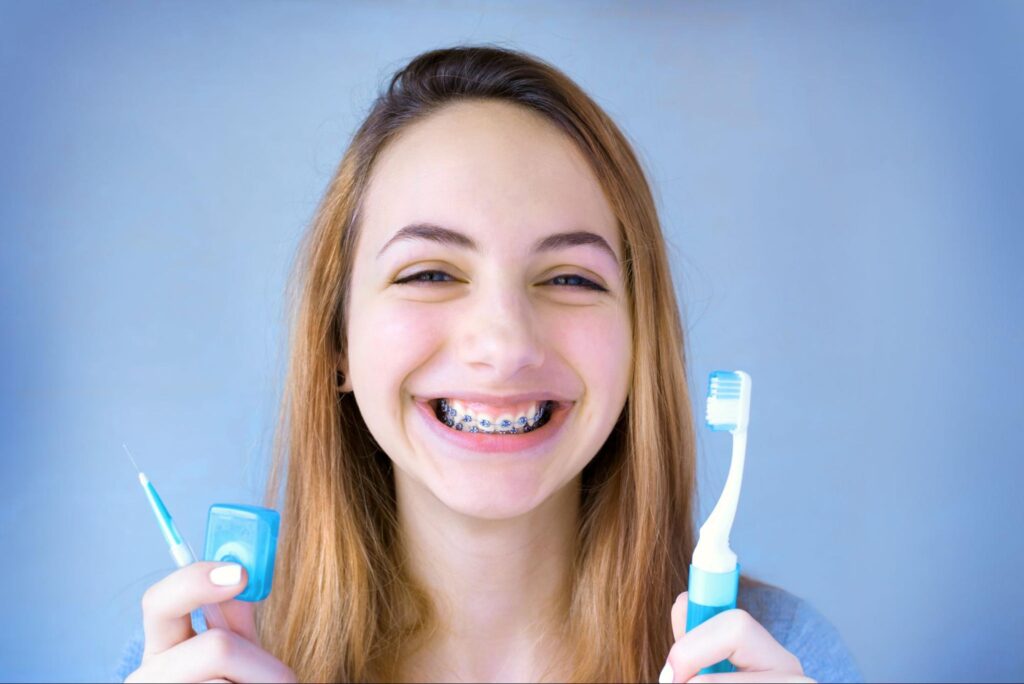
Foods to Eat vs. Foods to Avoid
Knowing what to eat with new braces makes a huge difference in your comfort during week one. The right foods ease pressure on sore teeth and protect your brackets. The wrong foods can cause soreness or even damage your appliances.
| Safe Foods (Especially Days 1–5) | Foods to Avoid |
|---|---|
| Yogurt, pudding, applesauce | Hard candy, lollipops |
| Smoothies and milkshakes | Popcorn and nuts |
| Mashed potatoes | Ice (don’t chew it) |
| Scrambled eggs | Caramel and taffy |
| Soft pasta and noodles | Chewing gum |
| Soup and broth | Crunchy raw veggies (carrots, apples) |
| Soft bread (no crust) | Hard pretzels and chips |
| Oatmeal and cream of wheat | Corn on the cob |
| Soft cheeses | Beef jerky and tough meats |
| Baked fish and tender chicken | Bagels and hard rolls |
A few extra tips to make eating easier:
- Cut everything small. Smaller bites mean less chewing pressure.
- Skip sticky foods. Anything that pulls or tugs can loosen a bracket.
- Lean on cool and soft options for the first 3 days. This is when your teeth are most tender.
- Rinse after meals. Even if you can’t brush right away, swish with water to clear food from around the brackets.
Once week one is behind you, you’ll be able to add more variety back into your meals. Just keep avoiding the hard, sticky, and crunchy items until your braces come off.
Your Braces Survival Kit: What You Need
A good braces survival kit makes week one so much easier. Having these items ready at home, at school, or at work means you’re prepared for whatever comes up.
Here’s what to pack:
- Orthodontic wax. For any bracket that irritates your cheeks or lips. Keep a container in your bag and one by the bathroom sink.
- Soft-bristle toothbrush. Gentler on sore gums and effective around brackets.
- Interdental brushes. Tiny brushes that fit between wires and teeth for spots a regular toothbrush misses.
- Floss threaders or a water flosser. Either option makes flossing with braces much faster and easier.
- Travel-size reliever. Ibuprofen or acetaminophen for when soreness flares up during the day.
- Oral anesthetic gel. For targeted relief on sore spots or small ulcers.
- Lip balm. Your lips may feel dry or chapped the first few days.
- Small mirror. Handy for checking your teeth after meals.
- Travel toothbrush kit. For brushing after lunch at school or work.
Keep one kit at home and a smaller version in your backpack, purse, or desk drawer. You’ll be glad you did.
Oral Hygiene with New Braces
Great oral hygiene during your first week with braces sets the tone for your entire treatment. Food can get caught around brackets more easily, so a solid routine protects your teeth and keeps your gums healthy. Dr. Lewis and the KBL Ortho team teach you and your family this routine before you leave your bonding visit.
Follow these steps every day:
- Brush after every meal. Use a soft-bristle toothbrush for at least 2 minutes. If you can’t brush, rinse with water until you can.
- Angle your brush at 45 degrees. Clean above the brackets, below the brackets, and along the gumline. This hits all the spots where plaque hides.
- Floss daily. Use floss threaders or a water flosser to clean between teeth and under the wire. Nighttime is a good time to make this a habit.
- Rinse with fluoride or antimicrobial mouthwash. This adds an extra layer of protection against cavities and helps keep your breath fresh.
- Skip whitening toothpaste. Whitening products can leave uneven color on the parts of your teeth not covered by brackets. Stick with a regular fluoride toothpaste until your braces come off.
A consistent routine now means a healthier, brighter smile when your braces come off. If you’re ever unsure whether you’re brushing or flossing correctly, Dr. Lewis is happy to walk you through it at your next visit.
Frequently Asked Questions
How long will my teeth hurt after getting braces?
Most of you and your family feel soreness for 3 to 5 days, with the peak around day 2 or 3. By the end of week one, the tenderness is usually gone. You may notice similar, but milder, soreness for a day or two after each adjustment visit. Over-the-counter relievers, cold foods, and a soft diet make a big difference.
Is it normal for my teeth to feel loose?
Yes, this is completely normal and expected. Your teeth need to loosen slightly in order to shift into their new positions. The feeling usually fades within a few weeks, and your teeth will feel solid again once they settle into place. If anything feels truly off, call our team and we’ll take a look.
What should I do if a wire pokes my cheek?
First, try pressing a small piece of orthodontic wax over the end of the wire to cover the sharp spot. If the wire has shifted significantly, you can use the eraser end of a pencil to gently push it back toward your tooth. Call KBL Orthodontics if you can’t get comfortable, and we’ll get you in to fix it.
Can I chew gum with braces?
It’s best to avoid regular chewing gum since it can stick to brackets and wires and pull them loose. If you really want gum, sugar-free options labeled as safe for braces are usually okay in small amounts. When in doubt, skip it until your braces come off.
When should I call my orthodontist?
Call us if you have a broken bracket, a wire that won’t go back in place, severe discomfort that doesn’t improve with home care, or any swelling that seems unusual. For normal soreness during week one, home remedies are usually all you need. Our team would rather hear from you than have you wait, so don’t hesitate to reach out.
How often do I need adjustment visits?
Most of you and your family come in every 4 to 8 weeks for adjustments, depending on your treatment plan. Dr. Lewis will give you a personalized schedule at your bonding visit. These visits are quick, and we work hard to make them fit your family’s schedule.
Your first week with braces is the biggest adjustment, and after that, it really does get easier. If you’re thinking about braces for yourself or your child, we’d love to meet you at our office in Dothan at 2431 West Main Street, Suite 303. Schedule a free consult with Dr. Katie B. Lewis and the KBL Orthodontics team to learn more. Your smile’s in the right hands.